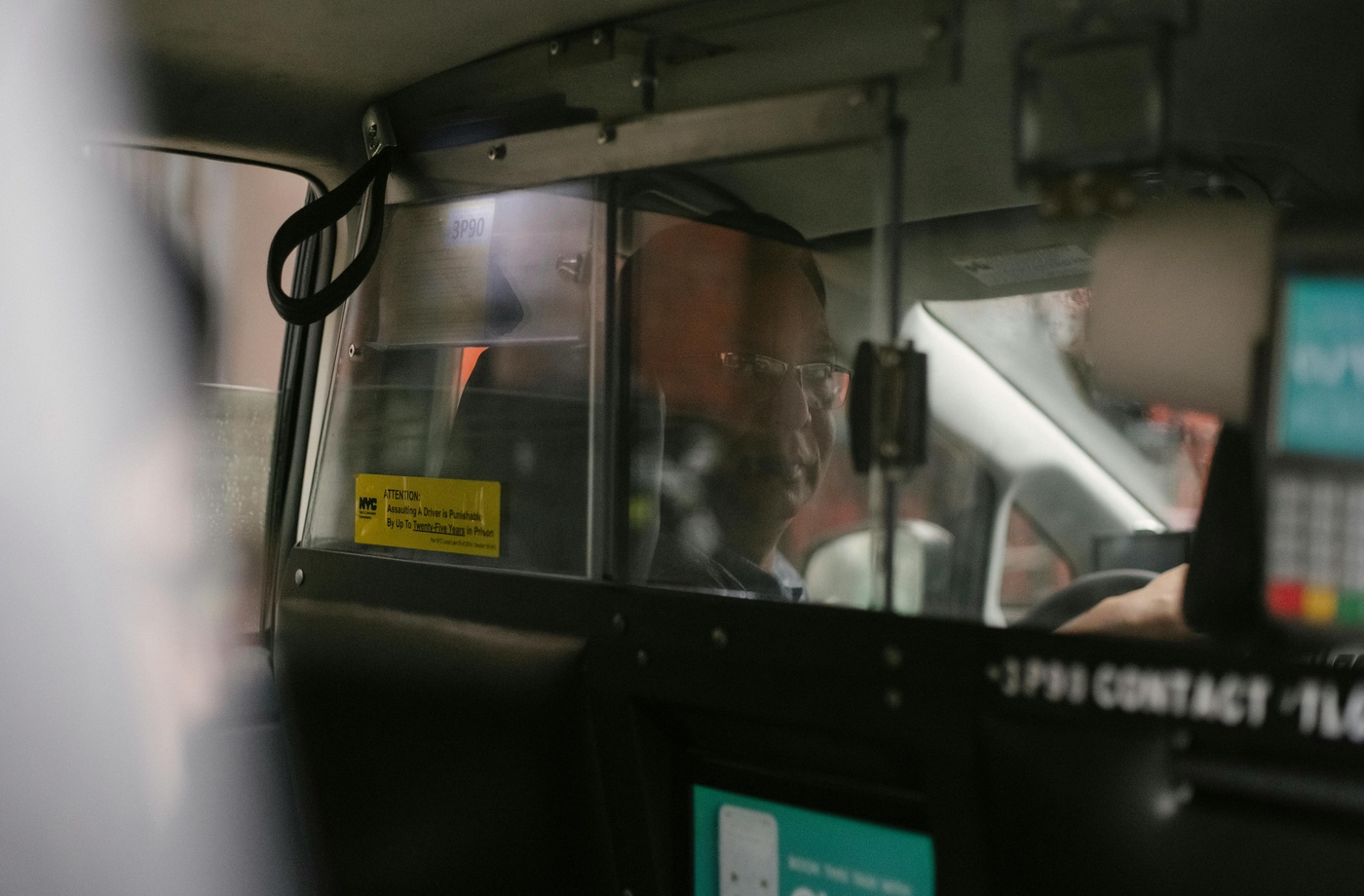

When you hop into a taxi, you expect the meter to reflect a fair fare based on distance and time. But what many riders don’t realize is that hidden fees—often small but recurring—can inflate your overall transportation costs. From surcharges to payment processing fees, understanding these add-ons can help you make smarter choices and save money on your next ride.
Base Fare vs. Total Fare: What’s the Difference?
The base fare is the starting price you see on the meter, typically ranging from $2.50 to $4.50 depending on the city. But your total fare often includes additional charges that aren’t always clearly explained during your ride. These hidden costs can include time-based charges, location-based fees, and even service-related surcharges.
Common Taxi Fees to Watch Out For
- Night Surcharges
Cities like New York impose extra charges for rides taken between 8 p.m. and 6 a.m. The NYC Taxi and Limousine Commission adds a $0.50 night surcharge, and many other cities follow similar practices. - Rush Hour or Peak Time Surcharges
Some cities include a fee during weekday peak times, such as 4–8 p.m., when traffic is heaviest. While not technically “surge pricing” like rideshare apps, it can add $1–$2 to your fare. - Airport Fees
If you’re getting picked up or dropped off at an airport, expect a surcharge. For instance, Chicago taxis add a flat $4 airport departure tax from the airport. - Tolls and Bridges
You’re typically responsible for any tolls incurred along your route. Depending on your city, tolls may be added directly to the meter or charged afterward as a separate fee. - Booking Fees via Taxi Apps
Apps like Curb or Flywheel may tack on small service or convenience fees when booking through mobile. - Credit Card or Digital Payment Processing Fees
Some taxi companies charge $1–$3 extra for using a card or mobile wallet. This is meant to cover processing costs but can feel like an unexpected penalty for cashless riders.
How to Offset or Avoid These Hidden Charges
- Ride during off-peak hours to avoid time-based surcharges.
- Ask for a fare estimate before your ride begins, especially when booking through a taxi dispatcher or mobile app.
- Use fare estimators like TaxiFareFinder to get a price range based on your route and time of day.
- Choose the most direct route to reduce time and tolls. Politely requesting a GPS-based route can help prevent unnecessary detours.
Stack Savings With Cashback Apps
One way to fight back against hidden fees is by using cashback tools that reward you for how you pay. Platforms like Fluz let you earn cashback with a Visa gift card, which you can then use through Apple Pay or Google Pay in taxis that accept contactless payments. If you’re staying in a hotel or running errands before a ride, you can also get rewards with a Hotels.com gift card or earn cashback with a CVS gift card to stretch your overall travel budget.
Conclusion
Taxi fares aren’t always as straightforward as they appear. While the meter might start low, small add-on fees can quickly add up. By understanding what you’re really paying for—and by using fare estimators and cashback-enabled payment methods—you can take control of your ride expenses. Being aware of the hidden fees is the first step to keeping your travel budget in check.